The Complete Professional Guide to Hotel Room Selection and Premium Stays Across Austria
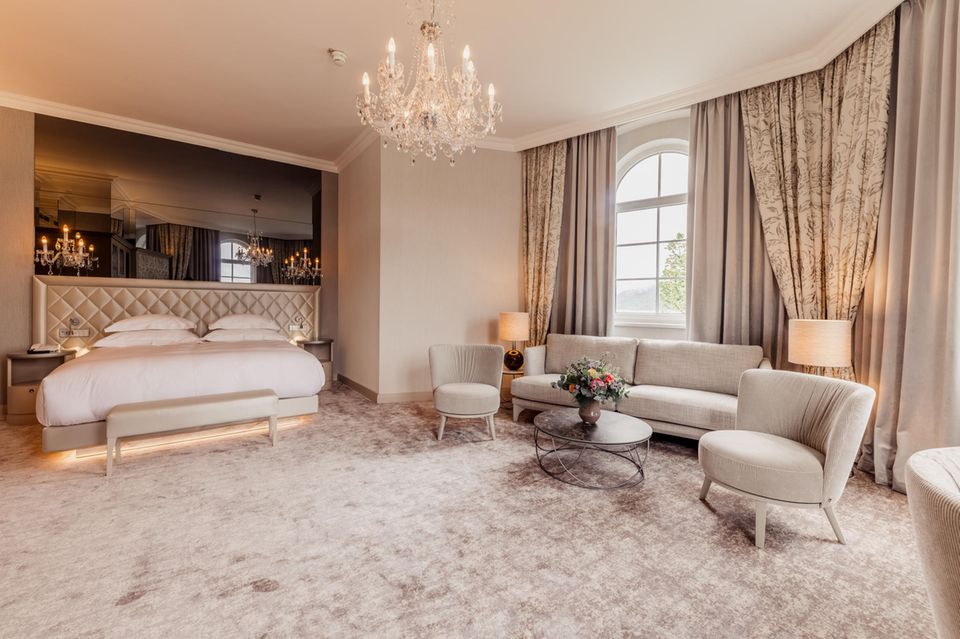
The Complete Professional Guide to Hotel Room Selection and Premium Stays Across Austria
Hotel Selection Begins With the Purpose of the Trip
Selecting accommodation in Austria becomes considerably easier when the hotel is evaluated according to the actual purpose of the journey. A room designed for a short business visit does not necessarily provide the same advantages as a spacious suite intended for a family holiday, while an alpine lodge designed around outdoor activities may have very different practical strengths from a centrally positioned urban hotel.
The first step is therefore to identify what the accommodation needs to accomplish. Some travelers want a convenient base from which to explore museums, historic streets, cultural attractions, and shopping districts. Others want their hotel to become part of the destination itself, with generous common areas, scenic views, wellness facilities, terraces, gardens, or spacious rooms.
Travelers researching Hotels & Resorts in Austria can begin by dividing potential properties into these broad categories. The goal is not simply to locate an attractive room, but to understand how the property will support the complete travel schedule.
This approach also makes comparisons more meaningful. Instead of asking which hotel looks most impressive in photographs, travelers can ask whether the room provides enough storage, whether the location reduces unnecessary transfers, whether transportation is convenient, whether the bathroom is functional, and whether the overall accommodation matches the number of nights planned.
Professional Hotel Room Specifications
| Category | Important Details | Practical Function |
|---|---|---|
| Room Dimensions | Square meters, shape, circulation space | Determines how comfortably furniture and luggage can coexist |
| Sleeping Arrangement | King, queen, twin, sofa bed or additional beds | Defines sleeping flexibility |
| Bathroom Design | Shower, bathtub, vanity, storage and ventilation | Influences everyday convenience |
| Natural Light | Windows, orientation and surrounding buildings | Shapes atmosphere and daytime comfort |
| Workspace | Desk, chair, outlets and lighting | Supports business and remote-work requirements |
| Storage | Wardrobe, shelves, drawers and luggage area | Helps organize belongings |
| Climate Control | Heating, cooling and ventilation | Supports seasonal comfort |
| Connectivity | Wi-Fi, charging points and in-room technology | Supports modern travel routines |
| Location | Transport, attractions and neighborhood environment | Can influence daily travel time |
Room specifications are particularly important because hotel photographs can sometimes emphasize decorative details while providing little information about practical dimensions. A room may look sophisticated and spacious in a carefully composed image while having limited storage or a compact bathroom.
Professional comparison therefore requires reading the written description alongside the visual presentation. The combination provides a much more realistic understanding of the room than either source alone.
The Six Characteristics of a Well-Planned Hotel Room
1. Efficient Space Planning
A good room uses its available floor area logically. The entrance, bed, bathroom, wardrobe, desk, seating and luggage area should work together without forcing guests to repeatedly move around furniture.
2. Balanced Lighting
Effective hotel lighting normally includes general illumination, bedside lighting, bathroom lighting and dedicated workspace lighting. Different layers allow the room to support several activities throughout the day.
3. Useful Storage
Wardrobes, shelves, drawers and luggage racks become increasingly important during multi-night stays. Storage is especially valuable when travelers carry coats, shoes and additional equipment.
4. Comfortable Bedding
The bed is one of the most frequently used elements of the room. Mattress support, pillow choices, bedding quality and bedside access all influence practical comfort.
5. Functional Bathroom
A well-organized bathroom provides adequate counter space, appropriate lighting, useful storage and a shower or bathtub configuration that matches the needs of the occupants.
6. Acoustic Consideration
Room location can influence quietness. Guests may wish to consider proximity to elevators, entrances, public areas, service corridors and busy streets when selecting a room.
Vienna: Matching Hotel Location With an Urban Itinerary
Vienna offers one of the broadest accommodation environments in Austria, which means travelers can find very different hotel experiences within the same metropolitan area. Comparing Hotels in Vienna should begin with the structure of the itinerary rather than a simple preference for a particular hotel category.
Travelers spending much of their time exploring historic architecture, museums, cultural institutions, central shopping streets, and major landmarks may appreciate accommodation that minimizes repeated transfers. A hotel in a central district can make it easier to return to the room during the day, change clothing, rest briefly, or reorganize luggage before continuing the itinerary.
Other travelers may deliberately choose a quieter neighborhood. A residential setting can provide a different rhythm, especially for longer stays when guests want to experience the city beyond the busiest visitor areas.
The key factor is consistency between location and schedule. If the itinerary involves several activities on opposite sides of the city, the ideal hotel may be one positioned near an efficient transportation connection rather than the property closest to one individual attraction.
How to Evaluate Vienna Hotel Rooms
Room category names can vary significantly between properties. Terms such as classic, superior, deluxe, executive, premium and suite should therefore be interpreted in relation to the actual specifications provided by the hotel.
Room size is one of the most useful comparison points. Travelers should examine the stated floor area and consider whether it provides enough space for the expected number of occupants and luggage. A room that is perfectly comfortable for one night may feel restrictive during a longer visit.
Window placement is another important factor. A room with large windows may have strong natural light, while an interior-facing room may offer greater quietness. Guests who prioritize views should also determine whether the advertised view is direct, partial, courtyard-facing or dependent on a specific room position.
Bathroom configuration should be reviewed separately from the bedroom. A modern room may contain an attractive bathroom with limited storage, while a larger traditional room may provide a more generous vanity and separate bathing facilities.
Current Vienna hotel offerings demonstrate how strongly design can vary. For example, some central properties emphasize individually designed rooms, high-quality materials and layouts intended to feel more residential, while others use highly contemporary interiors and strong visual concepts. The choice between these approaches is primarily a matter of travel purpose and personal preference rather than a universal standard.
Historic Architecture and Modern Hotel Functionality
Austria has many accommodation properties located in historic buildings. These properties can feature high ceilings, traditional windows, decorative moldings, woodwork, classic furniture, and architectural elements that contribute to a distinctive atmosphere.
Historic character, however, should be considered alongside modern functionality. Travelers can examine elevator access, bathroom renovation, electrical outlets, air circulation, storage, sound insulation, and room layout.
Modern hotels may offer more standardized layouts and contemporary technology, while historic properties may provide greater variation from one room to another. Neither format automatically determines the quality of the experience. The relevant question is whether the specific room satisfies the requirements of the traveler.
Salzburg: Accommodation Around Culture and Landscape
Salzburg creates a particularly interesting accommodation environment because visitors can combine historic urban sightseeing with easy access to surrounding landscapes. Travelers comparing Hotels in Salzburg can therefore begin by deciding how much time will be spent inside the city and how much will be dedicated to excursions.
A central property can support a walking-focused itinerary. Guests may be able to leave the room in the morning and explore several areas without repeatedly using transportation. This can be particularly convenient for short stays where every hour is valuable.
A quieter property outside the busiest central streets may be attractive for travelers planning a slower schedule or using the city as a base for regional excursions. In this situation, parking, public transportation and access to major roads can become more important.
Room design in Salzburg can also reflect the local architectural environment. Natural materials, warm lighting, wood elements and views toward historic buildings or surrounding landscapes can create a strong sense of place.
However, atmosphere should be balanced with practical requirements. A beautifully designed room still needs appropriate storage, comfortable bedding, good lighting and a bathroom that works efficiently for the number of guests.
Salzburg Room Categories and Longer Stays
For a one-night visit, guests may spend little time in the room, making location the dominant factor. For a three- or four-night stay, the room becomes a more important part of the experience.
Longer stays benefit from seating that is separate from the bed, sufficient wardrobe space, a practical desk or table, and bathroom storage. These details reduce the need to constantly rearrange luggage and personal belongings.
Travelers who intend to leave early for regional excursions should also examine breakfast schedules. A hotel can be beautifully located yet less convenient if the available morning services do not align with the planned departure time.
Innsbruck: Combining Urban Convenience With Alpine Views
Innsbruck requires a slightly different approach because the relationship between the city and surrounding mountains is an important part of the destination experience. Travelers researching Hotels in Innsbruck can compare properties according to both urban access and scenic orientation.
A centrally located hotel may be suitable for travelers focused on historic streets, cultural attractions, shopping and city exploration. A property with a strong mountain orientation may be more appropriate for visitors who expect to spend significant time outdoors or who consider the surrounding landscape a central feature of the trip.
Mountain-facing rooms should be evaluated carefully. The phrase “mountain view” can describe several different situations, ranging from a direct panoramic outlook to a partial view between buildings. Floor level and room orientation can also influence the quality of the view.
Balconies and terraces can add another dimension to the stay. Their usefulness depends on weather, privacy, furniture, orientation and the amount of time travelers expect to spend outdoors.
Storage Requirements for Alpine Travel
Alpine trips often involve more equipment than conventional city visits. Travelers may carry larger jackets, boots, backpacks, layers and other outdoor items. This makes storage one of the most important room features.
An entrance area with hooks and shelving can be particularly useful. A wardrobe with sufficient hanging space can prevent coats from occupying chairs and beds. Dedicated luggage space can also make packing and unpacking easier.
Travelers should consider whether the room provides somewhere practical for damp clothing when the itinerary includes outdoor activities. Small functional details can become much more noticeable during a multi-day alpine stay.
Graz: Flexible Accommodation for City and Regional Trips
Graz offers a different balance between historic urban character and contemporary accommodation. Travelers exploring Hotels in Graz can compare properties based on proximity to the historic center, transportation, room design and the intended pace of the trip.
A short city break may favor a centrally positioned room because most of the day can be spent walking. A longer regional trip may make parking and road access more important.
Graz can also work well as one part of a broader Austrian route. In that situation, efficient check-in and check-out procedures, luggage storage and transportation access can have greater importance than decorative extras.
Room style can range from contemporary minimalism to traditional interiors. Travelers should focus on the relationship between visual design and practical usability. A minimalist room may feel spacious because of its uncluttered layout, while a traditionally furnished room may provide a richer sense of place but require more careful examination of floor space.
City Hotels Versus Resort Accommodation
City hotels and resorts should be evaluated according to how much time guests are expected to spend on the property.
For a city hotel, the room often functions as a base between activities. Location, transport, sleep quality, workspace and storage may therefore have greater importance than extensive on-site facilities.
At a resort, guests may spend several hours each day inside the property. In that environment, the quality of common areas, outdoor spaces, wellness facilities, recreational features and room design becomes more significant.
Travelers browsing Hotels & Resorts in Austria can therefore separate their research into “base accommodation” and “destination accommodation.” This simple distinction can prevent comparisons between fundamentally different types of properties.
Transportation Should Be Part of the Hotel Decision
Transportation is often considered after the hotel has already been selected, but professional itinerary planning works in the opposite direction. The expected arrival route, daily movement and departure schedule should influence the accommodation decision.
Austria has extensive rail connections between major cities. Travelers planning a multi-city itinerary should consider the total journey from hotel entrance to station platform rather than looking only at the published train duration.
For example, a short train journey can still require considerable additional time if the hotel is far from the station or if luggage makes the transfer complicated.
This is particularly important during multi-city trips because each transfer consumes time. A well-positioned hotel can make the overall itinerary feel significantly more efficient.
Road Trips and Hotel Access
Travelers who intend to drive should investigate accommodation differently. A hotel located in the center of a historic district may look ideal on a map but present complicated vehicle access.
Parking should be checked before booking. Relevant details can include whether spaces are guaranteed, whether parking is on-site, whether the garage has height limitations, whether additional charges apply, and whether the entrance is accessible from the surrounding road network.
Travelers considering Car rentals in Austria should also consider how frequently the vehicle will actually be used. If the itinerary is primarily urban, keeping a car parked for several days may add complexity. If the itinerary includes rural and alpine areas, a vehicle may provide greater flexibility.
Flight Planning and the First Hotel Night
International travelers can incorporate Flights to Austria into the broader accommodation plan rather than treating the flight and hotel as completely separate decisions.
Arrival time is particularly important. A late arrival can make a conveniently accessible first hotel more practical than a property requiring several additional transfers. A morning arrival may allow a traveler to begin sightseeing immediately if the accommodation is positioned close to the intended activities.
The final hotel night should be planned with the departure schedule in mind. Early flights and trains may justify accommodation that reduces transfer complexity, while later departures provide more flexibility.
Room Layout Is More Important Than Decorative Luxury
A professionally designed hotel room should create a natural sequence between its different functions. Guests should be able to enter, place luggage, access the wardrobe, use the bathroom, reach the bed and work or relax without repeatedly crossing through another functional zone.
Furniture proportions are critical. A large bed may create an impressive focal point, but it should not leave insufficient walking space. A large sofa may appear luxurious, but if it consumes most of the usable floor area, the room may become less practical.
The placement of electrical outlets also influences functionality. Bedside charging is increasingly important, particularly for travelers using smartphones for navigation, tickets, communication and photography.
Lighting Strategies in Hotel Interiors
Hotel lighting works best when it supports different activities rather than relying on one bright ceiling fixture.
Bedside lighting supports reading and nighttime movement. Desk lighting improves work visibility. Bathroom lighting should provide sufficient illumination for grooming. Decorative lighting can establish atmosphere but should not replace functional illumination.
Natural light also influences how the room feels throughout the day. Large windows can make a room appear more open, while heavy curtains can provide privacy and darkness when needed.
Bathrooms as a Major Part of Room Quality
Bathrooms should be assessed with the same attention as bedrooms. Important considerations include shower size, water control, vanity space, mirror placement, ventilation, storage and accessibility.
A large bathroom can improve longer stays because personal items can remain organized rather than being moved repeatedly. Multiple travelers may also benefit from additional counter space.
Bathtubs can be useful for some guests, while others prefer a spacious walk-in shower. The appropriate configuration depends on individual routines, so room descriptions should be read carefully rather than assuming that a more elaborate bathroom automatically offers greater practical value.
Hotel Technology Without Sacrificing Simplicity
Modern hotels increasingly use digital systems for check-in, room controls, television, lighting and communication. These systems can be convenient when they are intuitive and reliable.
However, technology should not replace straightforward physical controls. Guests may prefer simple switches for essential functions such as lighting and temperature.
Reliable Wi-Fi is also a fundamental consideration for modern travel. Business travelers may need connectivity for video calls, while leisure travelers may depend on it for maps, reservations, digital tickets and communication.
Hotel Rooms for Families
Family accommodation should be evaluated based on actual occupancy rather than maximum occupancy alone. A room technically designed for four people may not provide the same comfort as a larger family room with distinct sleeping zones.
Parents should examine bed configuration, available floor space, bathroom access, storage and the possibility of connecting rooms. A separate seating area can also be valuable when children sleep earlier than adults.
Location is equally important. Families often benefit from reducing unnecessary transfers, especially when the itinerary includes several attractions within the same district.
Hotel Rooms for Couples
Couples may place additional emphasis on atmosphere, natural light, views, seating and bathroom design. These features can create a more comfortable environment without necessarily requiring the largest available suite.
A comfortable chair near a window, a small table, layered lighting and convenient bedside storage can significantly improve the room experience.
Privacy should also be considered. The relationship between the bathroom, entrance, sleeping area and windows can affect how naturally two people can share the space.
Business and Extended-Stay Accommodation
Business travelers should inspect the workspace carefully. A decorative table may look attractive but be unsuitable for several hours of work. Desk dimensions, chair comfort, electrical access and lighting are more useful indicators.
Noise can also affect productivity. Rooms near elevators, service corridors, public spaces or busy roads may be less suitable for travelers who require concentration.
For extended stays, storage and laundry facilities become increasingly relevant. The longer a traveler remains in one property, the more important it becomes to establish an organized living routine inside the room.
Seasonal Accommodation Planning
Austria's hotel requirements can change with the season. During colder months, guests may value strong heating, coat storage, boot organization and convenient access to transportation.
During warmer periods, ventilation, air conditioning where available, window orientation and shading can become more important.
Mountain accommodation requires particular attention to seasonal conditions. Travelers should verify which facilities operate during their travel period and whether transportation arrangements change outside peak seasons.
Comparing Hotel Facilities Professionally
| Facility | Potential Value | What to Verify |
|---|---|---|
| Parking | Convenience for road trips | Availability, location, fees and access |
| Fitness Area | Maintaining routines | Opening hours and equipment |
| Luggage Storage | Early arrivals and late departures | Availability and conditions |
| Laundry | Longer stays | Self-service or hotel-operated service |
| Business Facilities | Work and meetings | Internet, workspace and meeting rooms |
| Outdoor Areas | Relaxation and scenery | Balconies, terraces, gardens and access |
| Family Services | Travel with children | Extra beds and room policies |
| Breakfast | Daily convenience | Hours, location and available options |
How to Read Hotel Reviews Like a Professional
Reviews are most useful when they provide specific observations. Instead of focusing exclusively on numerical scores, travelers can search for repeated references to room size, noise, cleanliness, transportation, breakfast, staff communication, maintenance and location.
A repeated observation across many independent reviews can provide useful context. A single unusual complaint may have less relevance to the typical stay.
Review dates should also be considered. Hotels renovate rooms, change management systems and modify facilities. Older reviews may describe conditions that no longer exist.
Room category should be considered as well. Feedback about a standard room may not accurately describe a suite or executive room. Similarly, a hotel with multiple buildings may have significantly different room environments.
Views, Balconies and Outdoor Space
Scenic accommodation can be particularly appealing in Austria, especially in alpine destinations. However, travelers should examine exactly what the advertised view represents.
A “mountain view” could be direct and panoramic, partially obstructed, or visible only from a particular section of the room. A balcony may be private or shared, furnished or unfurnished, covered or exposed.
Outdoor space is most valuable when it fits the traveler's actual schedule. Someone who spends most of the day sightseeing may rarely use a balcony, while a traveler planning a slower stay may consider it one of the most important features.
Storage and Luggage Management
Storage becomes increasingly important when travelers move between several cities. Frequent packing and unpacking is easier when wardrobes, shelves and luggage areas are clearly organized.
Travelers should examine whether the room provides space for suitcases without blocking walkways. This small detail can make a noticeable difference during a longer stay.
Coat storage is particularly relevant in colder months. Several jackets can quickly occupy chairs and beds if there is insufficient wardrobe capacity.
Planning a Multi-City Austrian Journey
Multi-city travel can combine several distinct hotel experiences. Vienna can provide an urban cultural base, Salzburg can connect historic sightseeing with regional landscapes, Innsbruck can combine city life with alpine surroundings, and Graz can offer another perspective on Austrian urban accommodation.
The key is to avoid unnecessary hotel changes. Each change involves packing, checkout, transportation, luggage handling, check-in and reorganization.
A carefully structured itinerary can therefore use fewer hotels while still covering several destinations. Travelers may choose longer stays in cities where there is more to explore and shorter stays in locations used primarily as transportation or excursion bases.
Those comparing Hotels in Vienna with Hotels in Salzburg can consider not only the individual rooms but also the relationship between each property and the next stage of the itinerary.
Choosing Hotels for a Seven-Night Itinerary
A seven-night itinerary can be structured around one central base or several carefully selected stays. A single base reduces packing and provides consistency, while multiple properties can reduce travel time between distant destinations.
The correct structure depends on the geographical shape of the itinerary. Travelers who want to explore one metropolitan area extensively may benefit from staying in one property. Those who want to experience multiple regions may prefer a planned sequence.
The important factor is to calculate the real cost of each hotel change in time and effort. A seemingly convenient second property may not be worthwhile if reaching it consumes a large part of the day.
How Room Size Influences Long Stays
Room size becomes progressively more relevant as the number of nights increases. During a one-night stay, guests may leave most belongings inside their luggage. During a longer visit, travelers tend to unpack, organize clothing and use more of the available surfaces.
A separate seating area can therefore become valuable. It provides a place to read, plan the next day or relax without using the bed as the only seating option.
For business travelers, the difference between a small table and a dedicated desk can also become significant after several hours of work.
Hotel Design and the Austrian Sense of Place
Many Austrian accommodation properties use local materials and architectural references to create a recognizable identity. Wood, stone, textiles and traditional craftsmanship can be combined with modern furniture and contemporary lighting.
The result can range from highly traditional interiors to minimalist modern rooms with subtle references to local design.
Travelers who appreciate architecture should examine whether these details extend throughout the property or appear only in selected promotional areas. The room itself should remain the main reference point when evaluating accommodation.
Professional Checklist Before Booking
- Identify the main purpose of the trip.
- Choose the city or region according to the itinerary.
- Compare the exact room category.
- Check the stated room dimensions.
- Confirm the sleeping configuration.
- Review bathroom facilities.
- Examine storage capacity.
- Check workspace requirements.
- Review natural light and view descriptions.
- Investigate noise-related room placement.
- Check transportation connections.
- Verify parking if traveling by car.
- Review breakfast hours.
- Check luggage-storage arrangements.
- Read recent guest feedback.
- Compare cancellation conditions.
- Confirm seasonal facilities.
- Calculate the total accommodation cost.
- Consider the number of hotel changes.
- Match the hotel to the daily travel schedule.
Using Location as a Practical Tool
Location should be viewed as a resource rather than merely an address. A well-positioned hotel can reduce transportation time, simplify sightseeing and provide greater flexibility during the day.
For example, a central hotel may allow travelers to return to their room between activities. A property near a railway station can simplify multi-city travel. A mountain property may provide direct access to outdoor activities.
The appropriate location is therefore determined by the itinerary. There is no single location type that serves every traveler equally.
Choosing Accommodation for Scenic Travel
Travelers who prioritize landscapes should consider room orientation, windows, balconies and common outdoor spaces. A room facing an attractive landscape can become part of the experience, especially when the itinerary includes relaxed mornings or evenings.
However, scenery should be balanced against accessibility. A remote property may offer excellent views while requiring longer transportation for every city activity.
This trade-off should be examined before booking rather than discovered after arrival.
Graz, Salzburg, Innsbruck and Vienna as Different Accommodation Profiles
Vienna
Vienna accommodation can range from historic properties to contemporary design hotels. Location, cultural attractions, public transportation, room design and business facilities can all be relevant.
Travelers seeking a broad urban selection can examine Hotels in Vienna according to their preferred district and itinerary.
Salzburg
Salzburg can combine compact historic sightseeing with regional excursions. Central accommodation may support walking-based travel, while properties outside the busiest areas can suit travelers seeking a quieter base.
A focused search for Hotels in Salzburg can therefore begin with the desired balance between city access and regional travel.
Innsbruck
Innsbruck creates a strong connection between urban accommodation and alpine surroundings. Mountain views, transportation, storage and seasonal access can be especially relevant.
Travelers can examine Hotels in Innsbruck according to whether the room will primarily serve as a city base or an alpine retreat.
Graz
Graz offers historic urban accommodation alongside modern properties and different lodging formats. Travelers can consider walking access, transportation and the relationship between the hotel and the wider regional itinerary.
Researching Hotels in Graz can be particularly useful when building an itinerary that includes several Austrian regions.
Hotel Selection for Road-Based Itineraries
A road-based itinerary should consider the hotel from the perspective of arrival and departure by vehicle. Easy access to a garage, loading area or parking location can save time every day.
Travelers should also examine whether the hotel lies within a restricted-access historic area. In some destinations, the most central accommodation may require special planning for vehicle access.
When using Car rentals in Austria, it can be useful to group nights according to driving routes so that the vehicle is used efficiently rather than repeatedly moving through congested urban areas.
Hotel Selection for Rail-Based Itineraries
Rail travel can simplify movement between Austrian cities, but hotel positioning remains important. A hotel within convenient reach of a major station can reduce transfer time and simplify luggage handling.
Travelers should calculate the complete door-to-door journey rather than relying on rail travel duration alone.
When planning international arrival and departure, Flights to Austria can be considered alongside the first and final hotel locations.
Why the Right Hotel Room Supports Better Travel Organization
A hotel room is effectively a temporary living environment. Travelers use it for sleeping, dressing, planning, charging devices, organizing luggage, working, relaxing and preparing for the next day.
When these functions have dedicated areas, the room becomes easier to use. When they compete for the same small surface or floor space, the room can feel more crowded even when its decorative design is attractive.
This is why professional hotel comparison should focus on the interaction between features rather than evaluating each feature independently.
FAQ: Professional Hotel Room Selection in Austria
What is the first thing to consider when selecting a hotel in Austria?
Start with the purpose of the trip and the daily itinerary. Then evaluate location, room configuration, transportation and the facilities that directly support the planned activities.
Are central hotels always the most convenient?
Not necessarily. A central location can simplify sightseeing, while a property near a major transport connection may be more practical for a multi-city itinerary.
How important is room size?
Room size becomes increasingly relevant as the length of the stay and number of occupants increase. Efficient layout can also be more important than floor area alone.
What should I check in a Vienna hotel room?
Review room size, bed configuration, storage, bathroom design, workspace, natural light, noise considerations and the relationship between the property and your planned activities.
What makes Salzburg accommodation different?
Salzburg can combine historic city exploration with regional excursions, so travelers should decide whether they want a central walking base or a quieter property suited to broader travel.
Why are views important in Innsbruck?
The surrounding alpine landscape is a major part of the destination experience. Travelers who prioritize scenery should verify the exact room orientation and nature of the advertised view.
What should road travelers check before booking?
Parking availability, vehicle access, garage restrictions, loading arrangements and the hotel's position relative to the road network should all be reviewed.
What should rail travelers prioritize?
Convenient access to railway stations, practical luggage routes and suitable check-in and departure times can simplify multi-city travel.
Are balconies worth considering?
Balconies can be valuable for scenic stays, but their usefulness depends on privacy, weather, orientation, furniture and the amount of time guests expect to spend in the room.
How should hotel reviews be evaluated?
Look for repeated, specific observations about noise, cleanliness, room size, location, service, breakfast, transportation and maintenance.
Should families book larger rooms?
Families should compare actual sleeping arrangements and usable floor space rather than relying only on maximum occupancy numbers.
What is important for a business traveler?
A functional desk, comfortable chair, reliable internet, accessible outlets, appropriate lighting and a quiet room location can be particularly useful.
What should be checked for a long stay?
Storage, seating, workspace, laundry access, bathroom organization, climate control and breakfast schedules become increasingly important over several nights.
Should hotel photographs determine the decision?
Photographs are valuable for understanding style and general layout, but they should be combined with room dimensions, written descriptions and recent reviews.
What is the benefit of comparing hotel locations?
Location comparisons can reveal differences in walking time, transportation requirements, neighborhood atmosphere and access to the activities that matter most during the trip.
What should alpine travelers look for?
Consider seasonal access, heating, storage, drying arrangements, views, parking or local transport and the distance to planned outdoor activities.
Can one hotel be used for an entire Austrian trip?
Yes, depending on the itinerary. A single base reduces packing, while multiple strategically positioned hotels can reduce travel between distant destinations.
How should hotel prices be compared?
Compare the total cost, including transportation, parking, breakfast, room category and any additional facilities that are important for the itinerary.
Why is storage often overlooked?
Hotel photographs naturally emphasize visual design, while storage is less visually dramatic. Yet adequate wardrobes, drawers and luggage space can strongly influence longer stays.
What should couples consider?
Couples may wish to examine room atmosphere, seating, views, bathroom configuration, lighting, privacy and the amount of space available for two people.
Is a historic hotel practical?
A historic property can offer distinctive architecture, but guests should also verify elevators, bathrooms, electrical access, storage and room layout.
How can hotel changes be reduced during a multi-city trip?
Group destinations geographically and stay longer in strategically positioned cities. Each additional hotel change creates packing, transfer and check-in time.
What should I consider when arriving by plane?
Consider arrival time, airport transfer duration, luggage, the first day's schedule and the location of the first hotel.
How should I select the final hotel night?
Consider the departure time and transportation route. An early flight or train may make convenient access more important than sightseeing proximity.
Where can I explore Austrian hotel options?
Travelers can begin with Hotels & Resorts in Austria and then narrow the research according to destination, room type, location and transportation needs.
Practical Final Booking Review
Before confirming a reservation, it is useful to perform one final review of the complete travel chain. Confirm that the room category matches the intended occupancy, that the stated room size is sufficient, that the bathroom configuration is practical, and that storage is adequate for the expected luggage.
Next, examine the map in relation to the itinerary. Check how long it will take to reach major activities, transportation stations and arrival points. If driving, verify parking and access. If using rail, examine the hotel-to-station route. If flying internationally, consider how the arrival and departure times interact with check-in and check-out.
For travelers building a route through several Austrian destinations, it can be useful to compare Hotels & Resorts in Austria as a broad category before focusing on individual destinations. This approach keeps the accommodation decision connected to the wider itinerary.
Vienna can be evaluated through Hotels in Vienna, Salzburg through Hotels in Salzburg, Innsbruck through Hotels in Innsbruck, and Graz through Hotels in Graz.
Travelers planning road-based journeys can incorporate Car rentals in Austria into the transportation comparison, while international visitors can consider Flights to Austria when structuring the arrival and departure portions of the itinerary.
The most useful hotel selection process is ultimately a structured comparison of room, location, transportation, facilities, season, duration and travel purpose. When these elements are considered together, the accommodation becomes more than a place to sleep: it becomes a practical part of the entire Austrian travel plan.

Comments
Post a Comment